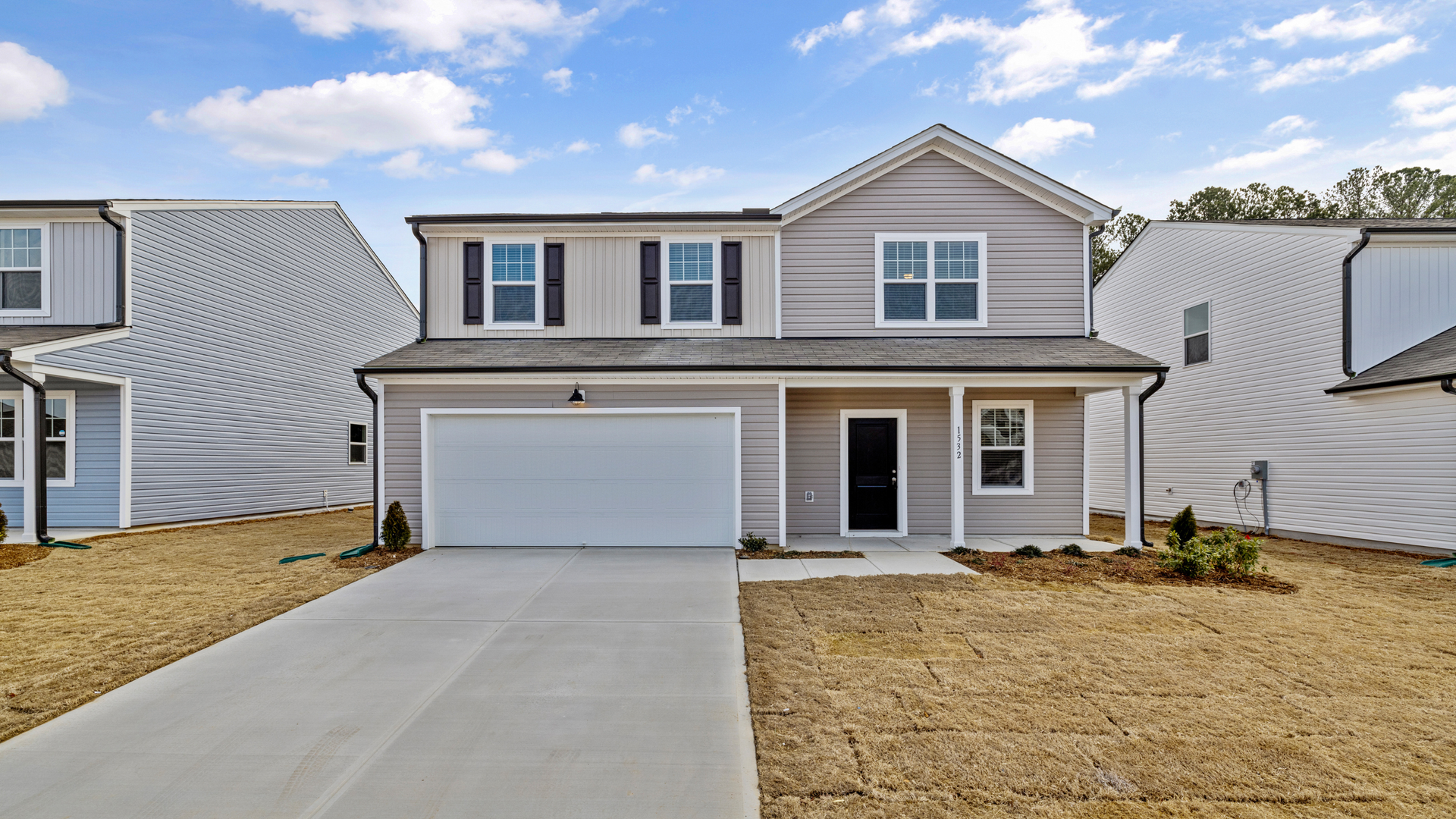
Concrete Driveways: Cost, Installation, Thickness, and What Homeowners Should Know
A concrete driveway is one of the most important exterior features of a property. It affects curb appeal, daily functionality, and long-term durability. For homeowners planning a new installation or replacement, the key is understanding what actually impacts performance and cost before starting the project.
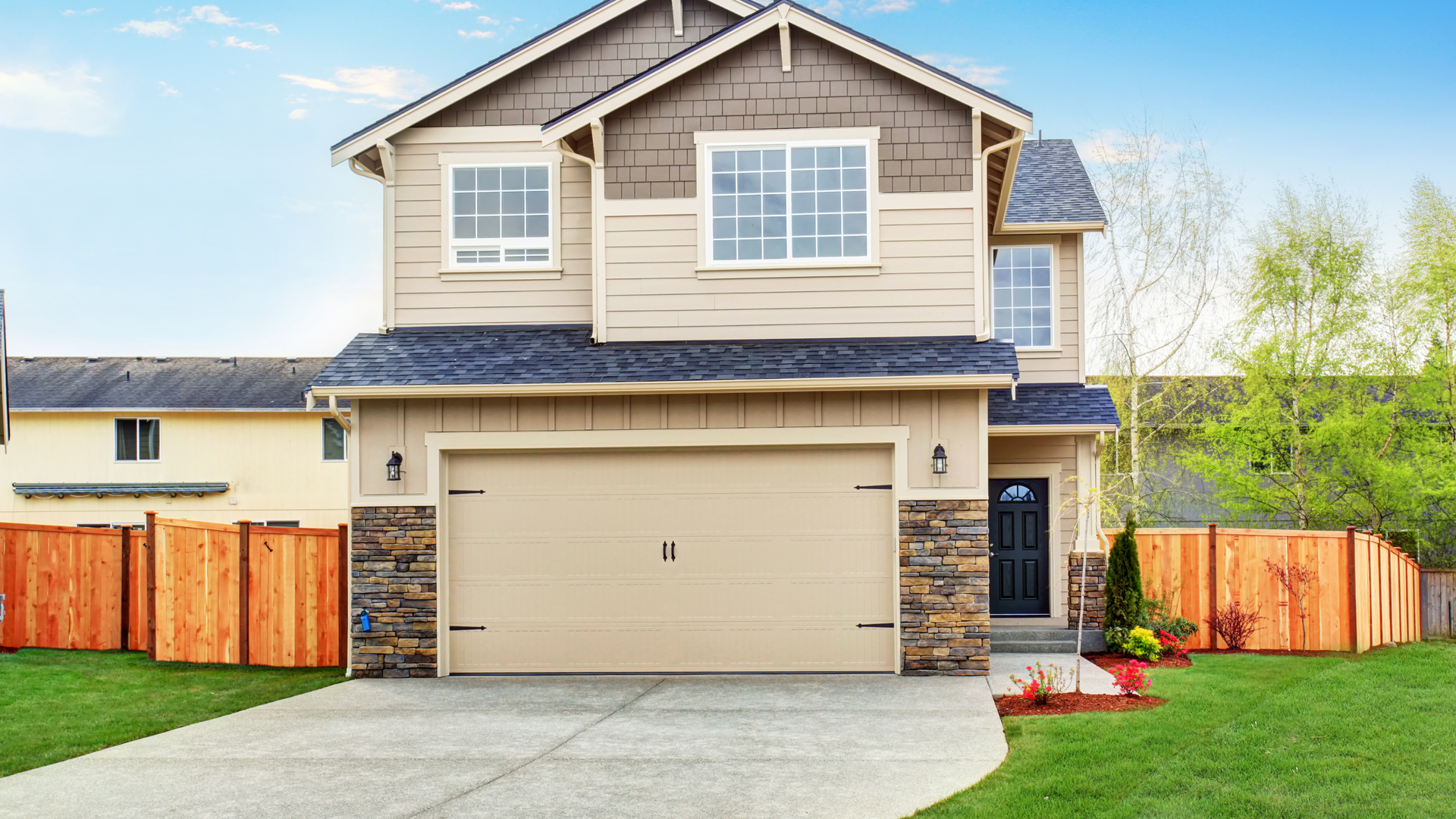
Homeowners often deal with soil movement, drainage challenges, and temperature changes that can affect how a driveway performs over time. This guide covers the real factors that matter, including cost ranges, thickness standards, installation steps, durability expectations, and common issues to avoid.
What Determines the Cost of a Concrete Driveway?
The cost of a concrete driveway depends on more than just size. Several variables influence pricing, and understanding them helps you plan more accurately.
Average Cost Range
| Driveway Type | Estimated Cost per Sq Ft | Typical Total Cost |
|---|---|---|
| Standard Concrete | $8 – $12 | $6,000 – $12,000 |
| Reinforced Concrete | $10 – $15 | $8,000 – $18,000 |
| Stamped or Decorative | $14 – $20+ | $12,000 – $25,000+ |
These ranges vary depending on site conditions, design complexity, and accessibility.
Key Cost Factors
Site Preparation
Excavation, grading, and base compaction play a major role in cost. Poor soil conditions require more work to stabilize the area properly.
Driveway Size and Layout
Larger driveways may reduce cost per square foot slightly, but slopes, curves, or tight access points can increase labor.
Thickness and Reinforcement
Thicker slabs and proper reinforcement increase upfront cost but improve long-term performance.
Finish and Design
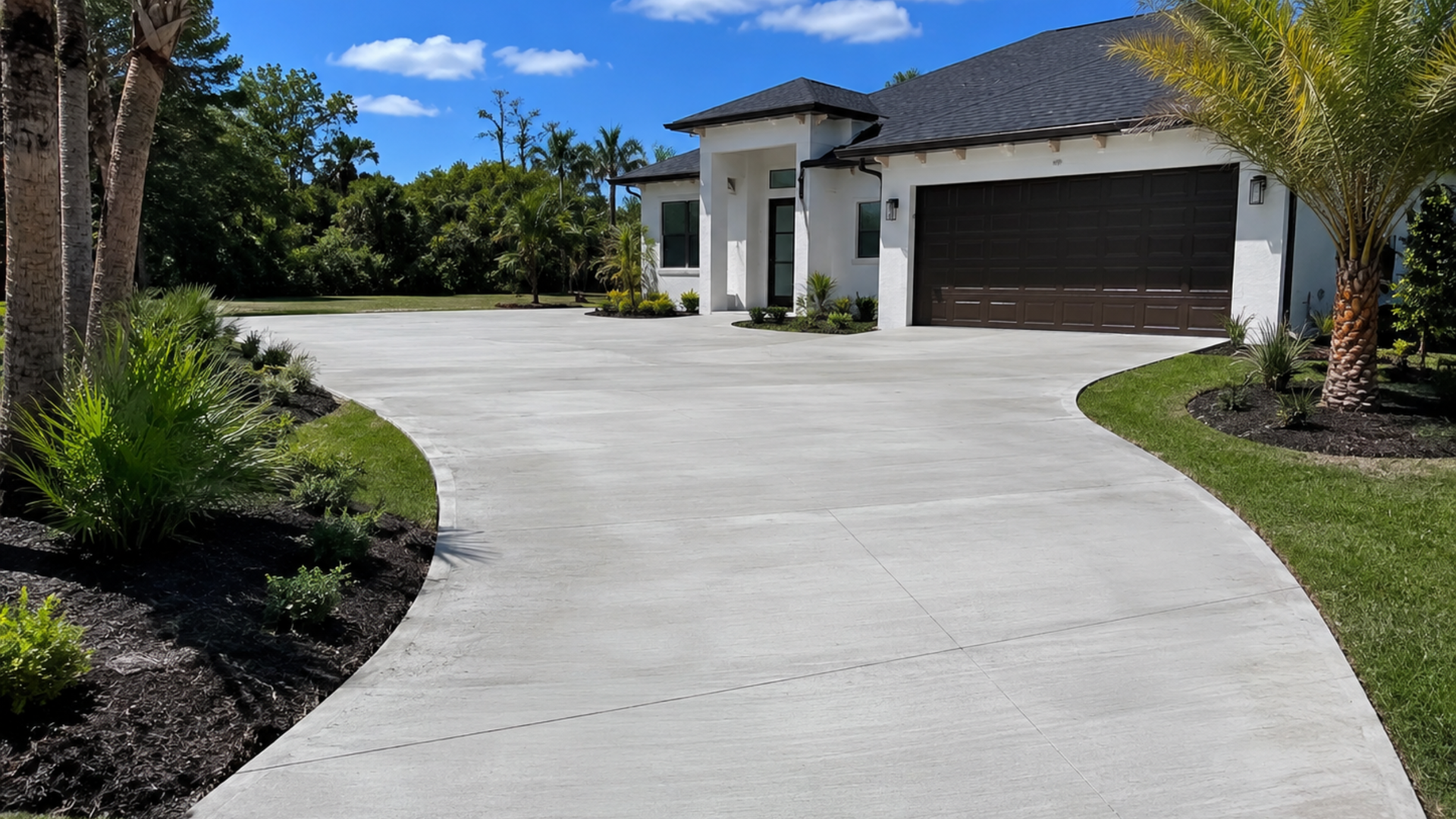
Basic broom finishes are the most cost-effective. Decorative options such as stamped or colored concrete increase cost due to added labor and materials.
Drainage and Grading
Proper slope is essential to prevent water buildup. Drainage issues often lead to early damage if not addressed during installation.
If you are planning a project, working with an experienced concrete driveway contractor helps ensure the design matches your property conditions and long-term use.
Concrete vs Asphalt Driveway: Which Is Better?
Choosing between concrete and asphalt depends on your priorities, budget, and long-term expectations.
| Feature | Concrete | Asphalt |
|---|---|---|
| Lifespan | 25–40 years | 15–25 years |
| Maintenance | Low | Moderate |
| Appearance | Clean, customizable | Basic |
| Heat Resistance | Strong | Can soften |
| Cold Weather Performance | Requires proper installation | More flexible |
Concrete typically costs more upfront but lasts longer and requires less maintenance. Asphalt may cost less initially but needs more frequent repairs and sealing.
For homeowners looking for durability and a cleaner appearance, concrete is often the better long-term investment.
How Thick Should a Concrete Driveway Be?
Thickness plays a major role in how well a driveway handles weight and prevents cracking.
Recommended Thickness Guidelines
| Use Type | Recommended Thickness |
|---|---|
| Standard Residential Vehicles | 4 inches |
| Heavier Vehicles (RVs, trucks) | 5–6 inches |
| High-Traffic or Commercial Use | 6+ inches |
Why Thickness Matters
- Helps distribute vehicle weight evenly
- Reduces the risk of structural cracks
- Improves long-term durability when combined with proper base preparation
A thicker slab alone does not guarantee performance. A well-prepared base is just as important as the concrete itself.
The Concrete Driveway Installation Process
Understanding the installation process helps you evaluate the quality of work and what to expect.
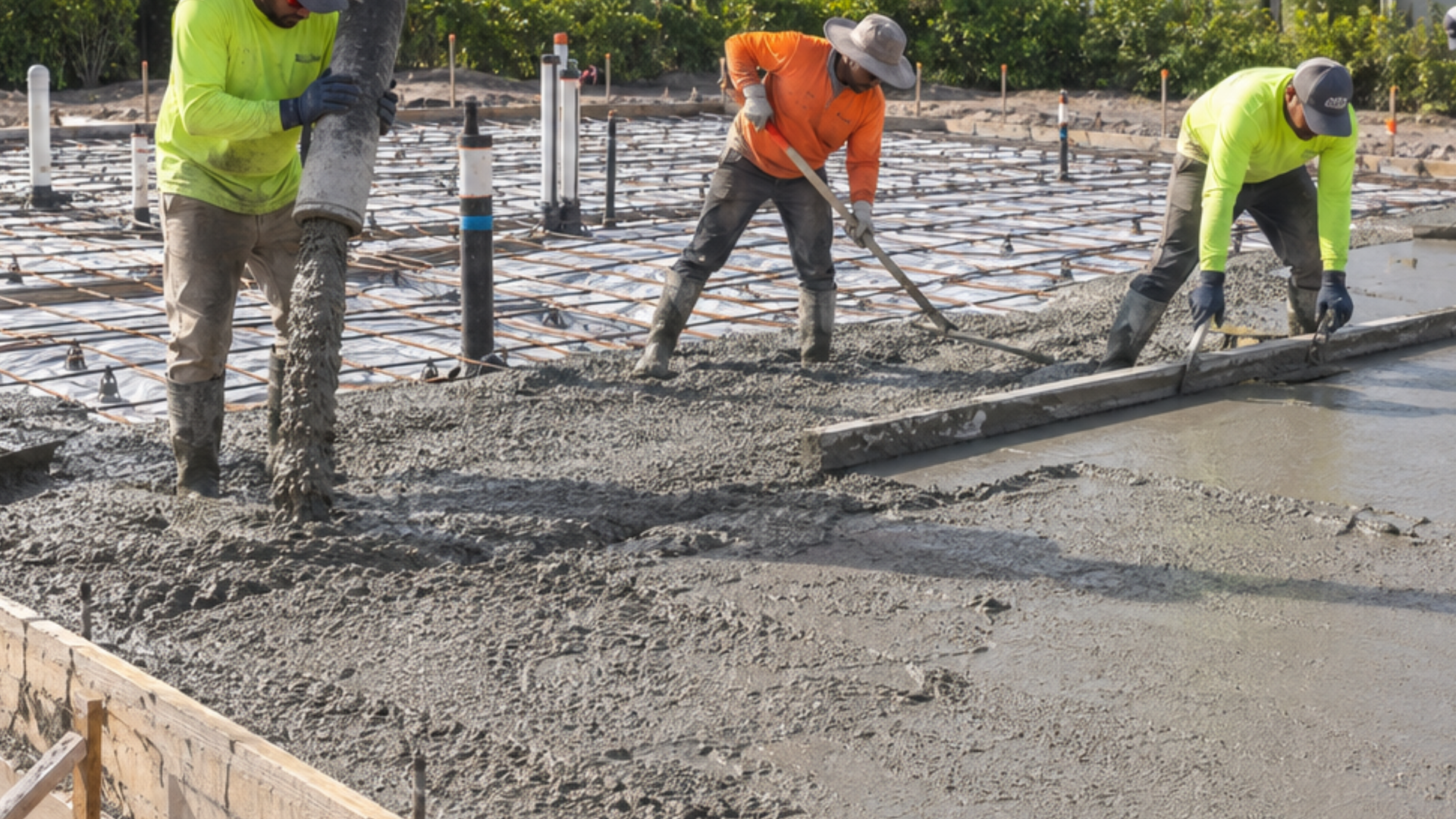
1. Excavation and Base Preparation
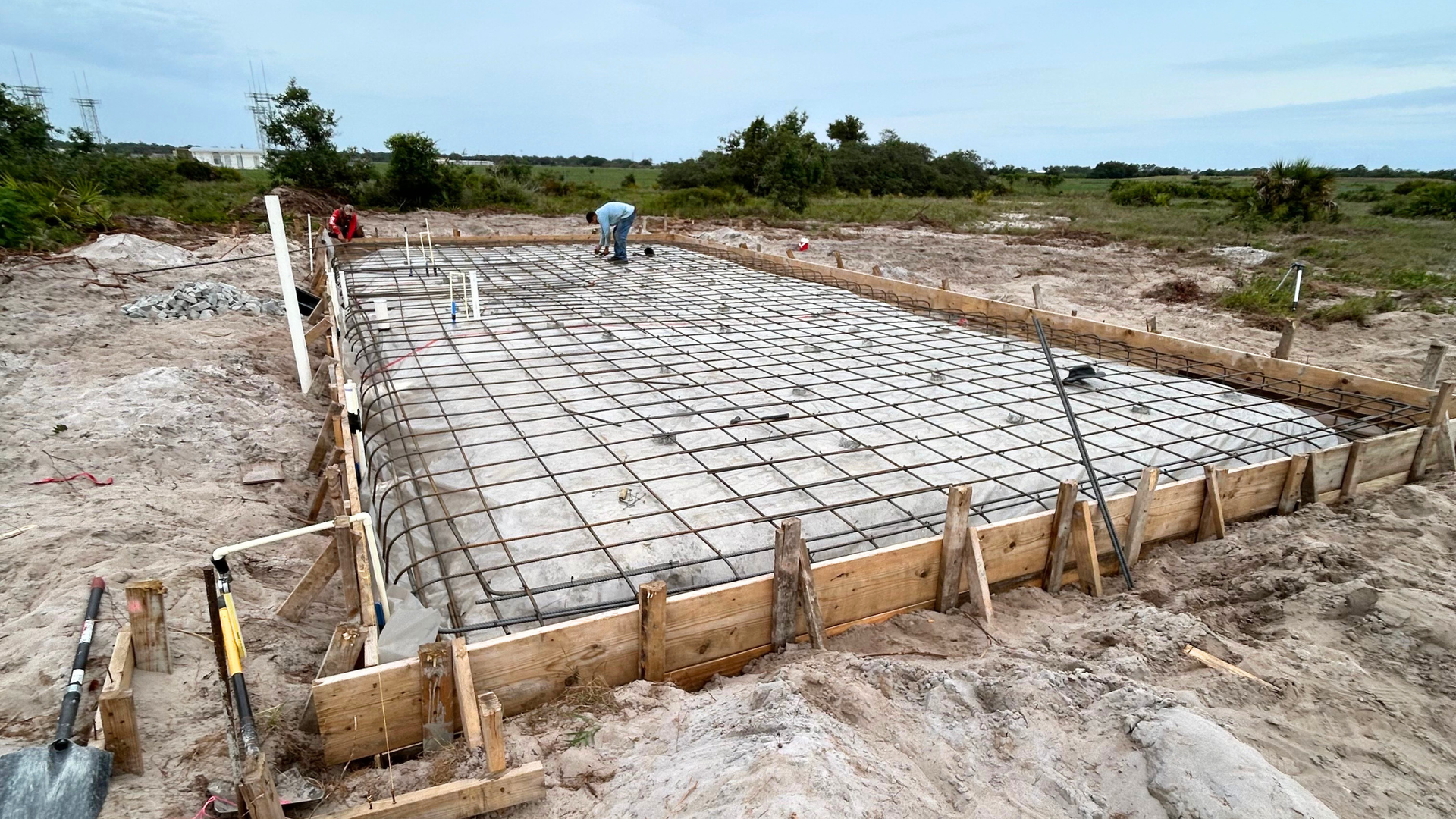
The existing surface is removed, and the area is excavated. A compacted gravel base is installed to create a stable foundation and support drainage.
2. Forming and Layout
Forms are set to define the driveway shape and ensure proper slope. This step controls water runoff and overall alignment.
3. Reinforcement Installation
Steel rebar or wire mesh is installed to strengthen the slab and help control cracking.
4. Pouring and Finishing
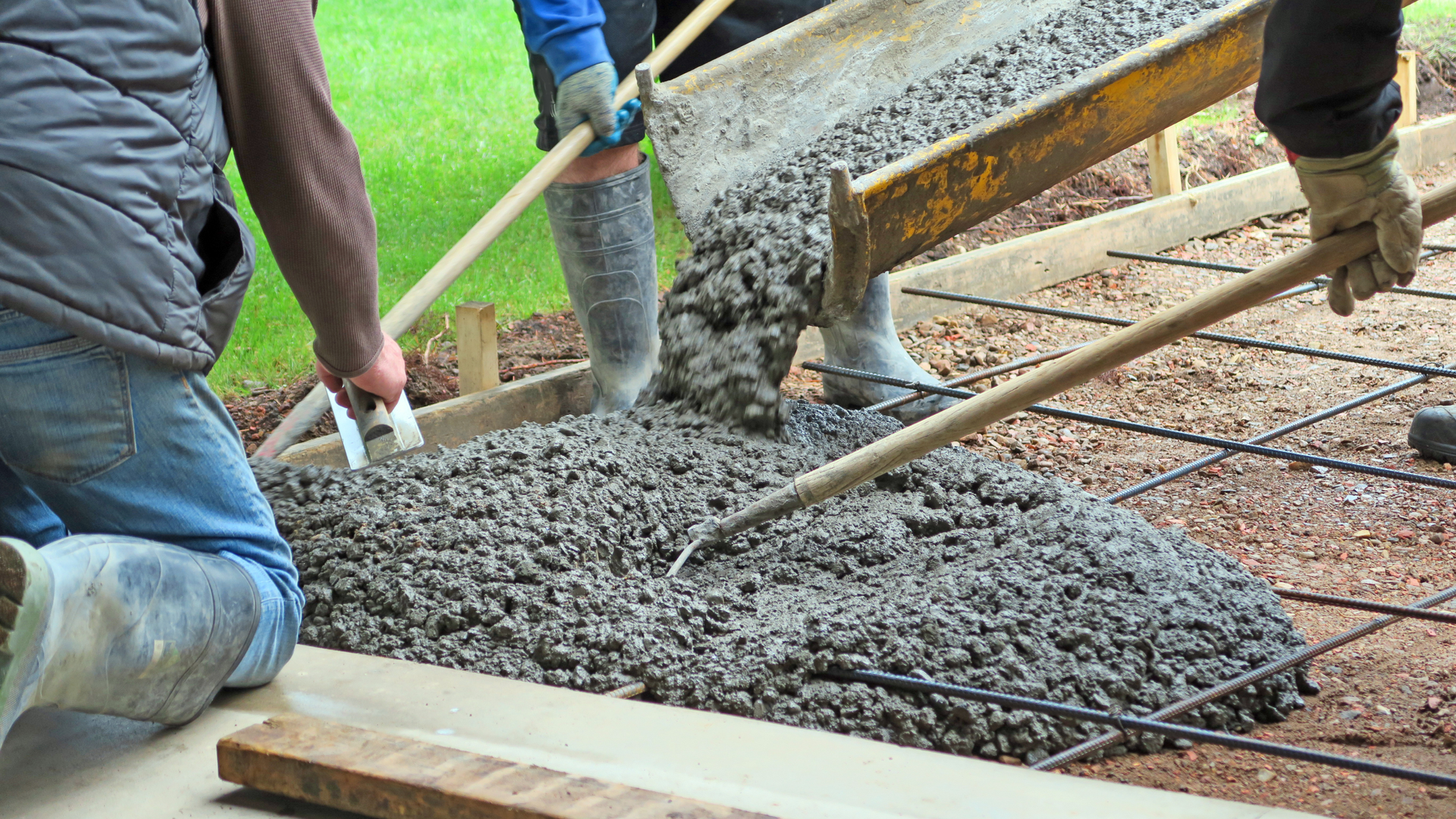
Concrete is poured, leveled, and finished. A broom finish is commonly used for traction, while decorative finishes can be applied if desired.
5. Control Joints and Curing
Control joints guide natural cracking and prevent random surface damage. Proper curing allows the concrete to gain strength and improves durability.
For homeowners comparing options, reviewing concrete driveway installation details can help clarify what level of preparation and workmanship your project requires.
How Long Does a Concrete Driveway Last?
A properly installed concrete driveway can last 25 to 40 years. Longevity depends on several factors, including installation quality and environmental conditions.
Key Factors That Affect Lifespan
- Quality of base preparation
- Proper thickness and reinforcement
- Drainage and water management
- Climate exposure
- Regular maintenance
Most early failures are related to poor preparation or drainage, not the concrete material itself.
Common Concrete Driveway Problems and How to Avoid Them
Concrete is durable, but certain issues can develop if installation or maintenance is not handled correctly.
Cracking
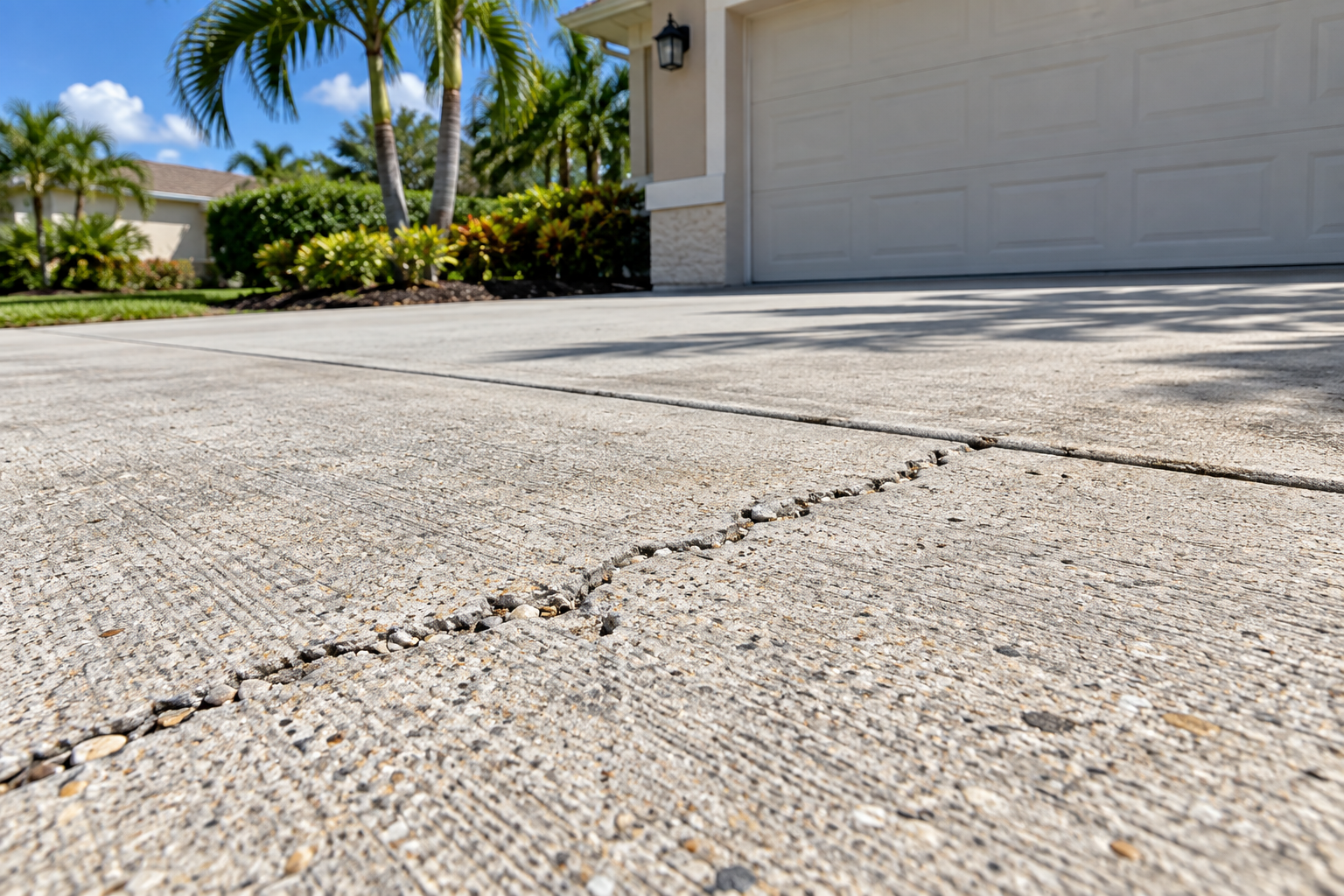
Small cracks are normal, but large or uneven cracks may result from poor base preparation or heavy loads.
Surface Damage (Scaling or Flaking)
This can happen due to freeze-thaw cycles, improper finishing, or exposure to harsh chemicals.
Drainage Issues
Standing water can weaken the surface and lead to erosion underneath the slab.
Discoloration
Color variations may occur during curing. While usually cosmetic, they can affect appearance.
Proper installation and maintenance significantly reduce the likelihood of these problems.
Maintenance Requirements for Concrete Driveways
Concrete requires minimal maintenance, but regular care helps extend its lifespan and appearance.
Basic Maintenance Checklist
- Clean the surface periodically
- Seal the driveway every 2–3 years
- Avoid excessive heavy loads
- Repair small cracks early
Sealing is especially important in areas exposed to moisture or temperature changes.
Is a Stamped or Decorative Concrete Driveway Worth It?
Decorative concrete offers more design flexibility but comes with additional considerations.
Benefits
- Enhances visual appeal
- Offers multiple patterns and color options
- Can complement landscaping and home design
Considerations
- Higher upfront cost
- Requires precise installation
- Needs regular sealing to maintain appearance
For homeowners focused on appearance, decorative finishes can add value. For those prioritizing function and cost, a standard finish is often more practical.
Planning Considerations Before Starting Your Project
Before moving forward, it’s important to evaluate how the driveway will be used and how it fits your property.
Key Questions to Ask
- What types of vehicles will use the driveway?
- Are there drainage or slope concerns?
- Do you prefer a standard or decorative finish?
- What level of maintenance are you comfortable with?
These considerations help avoid unexpected costs and design changes during the project.
Choosing the Right Contractor Matters
The quality of installation has a direct impact on how your driveway performs over time. Even high-quality materials will not perform well if the installation is rushed or incomplete.
What to Look For
- Clear plan for site preparation and base work
- Proper reinforcement strategy
- Realistic timeline and curing process
- Transparent pricing based on actual conditions
Working with the right team ensures the project is done correctly from the start.
Get a Concrete Driveway Quote from Regency Construction Group
If you are planning a new driveway or replacing an existing one, working with an experienced team helps ensure the project is done correctly from the start.
Regency Construction Group provides professional concrete driveway installation with a focus on proper site preparation, reinforcement, and long-term performance. Every project is evaluated based on your property conditions, layout, and intended use.
You can request a quote through our online form here.
Final Thoughts
A concrete driveway is a long-term investment that depends on more than just the surface finish. Preparation, thickness, reinforcement, and drainage all play a role in how it performs over time.
Understanding these factors helps you make informed decisions, avoid common issues, and ensure the driveway meets your expectations. Taking the time to plan properly leads to better results and fewer problems in the future.