How Much Does a Concrete Driveway Cost? A Complete Breakdown for Homeowners
Understanding the cost of a concrete driveway is one of the first steps homeowners take when planning a new installation or replacement. While general price ranges can give a starting point, the actual cost depends on several factors tied to your property, design choices, and how the driveway will be used.
This guide breaks down what homeowners should realistically expect to pay, what drives those costs, and how to make informed decisions before starting a project.
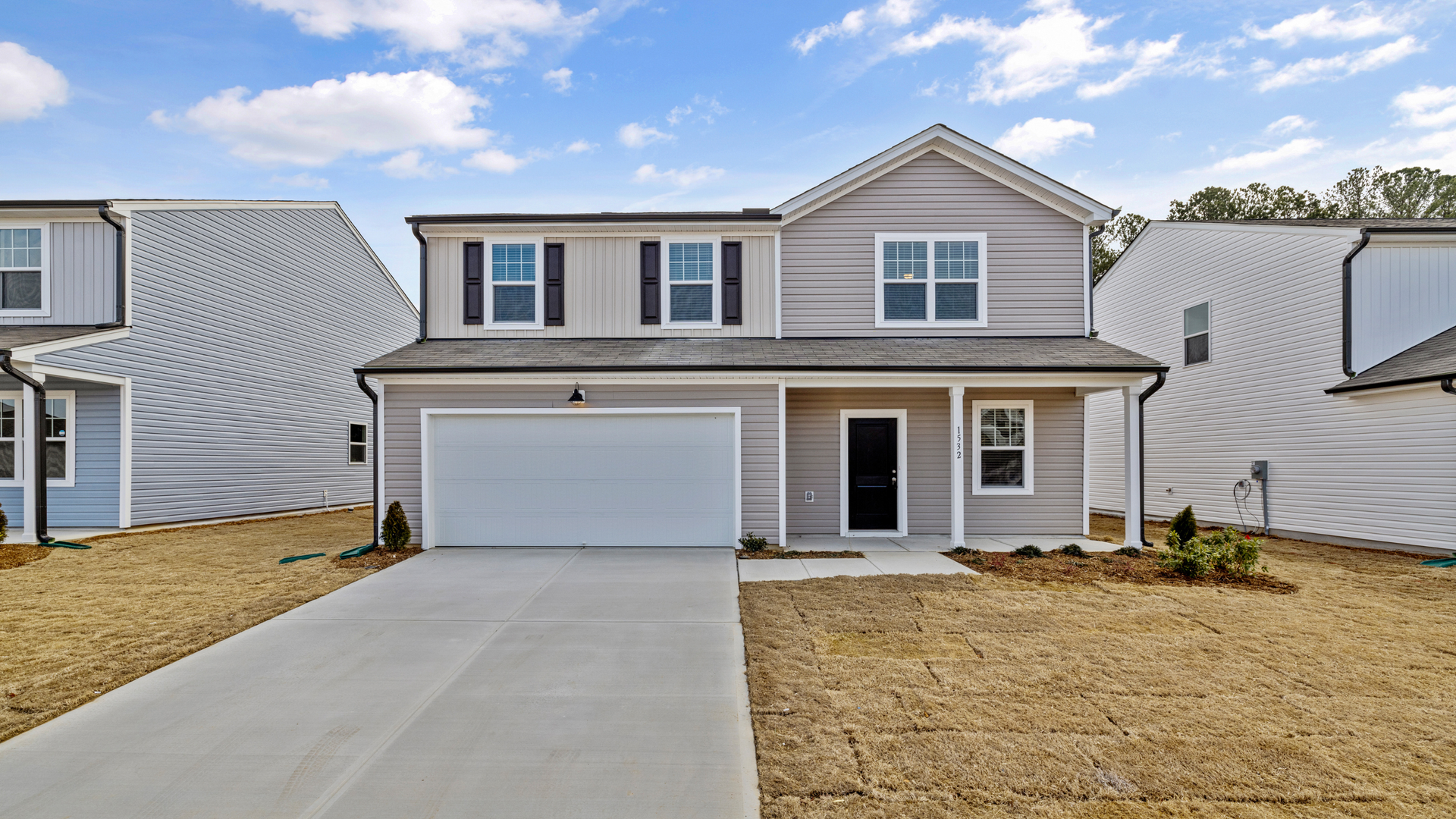
Average Concrete Driveway Cost
Concrete driveway pricing is typically calculated per square foot, but total cost depends on more than just size.
Typical Cost Range
| Type of Driveway | Cost per Sq Ft | Average Total Cost |
|---|---|---|
| Basic Concrete | $8 – $12 | $6,000 – $12,000 |
| Reinforced Concrete | $10 – $15 | $8,000 – $18,000 |
| Decorative / Stamped | $14 – $20+ | $12,000 – $25,000+ |
These numbers reflect standard residential projects. Larger or more complex layouts may fall outside these ranges.
For a broader overview of how these costs connect to installation and performance, you can review our concrete driveway guide.
What Impacts the Cost of a Concrete Driveway?
The price of a driveway is shaped by several key variables. Understanding these helps explain why quotes can vary between properties.
1. Site Preparation and Excavation
One of the most significant cost factors is the condition of the existing site.
- Removal of old driveway materials
- Soil condition and stability
- Required excavation depth
- Grading and leveling
If the ground is uneven or poorly compacted, additional work is needed to create a stable base.
2. Base Material and Compaction
A strong driveway starts below the surface.
- Gravel base thickness
- Compaction quality
- Drainage support
Skipping or reducing this step may lower upfront cost, but it often leads to cracking and early failure.
3. Driveway Size and Layout
Size directly impacts total cost, but layout complexity also plays a role.
- Straight driveways are more efficient to install
- Curves, slopes, and tight access areas increase labor
- Wider driveways require more material and finishing work
4. Concrete Thickness
Thickness affects both cost and durability.
| Usage Type | Recommended Thickness |
|---|---|
| Standard Residential | 4 inches |
| Heavy Vehicles | 5–6 inches |
| High Load Areas | 6+ inches |
Thicker concrete uses more material and labor but performs better under heavier loads.
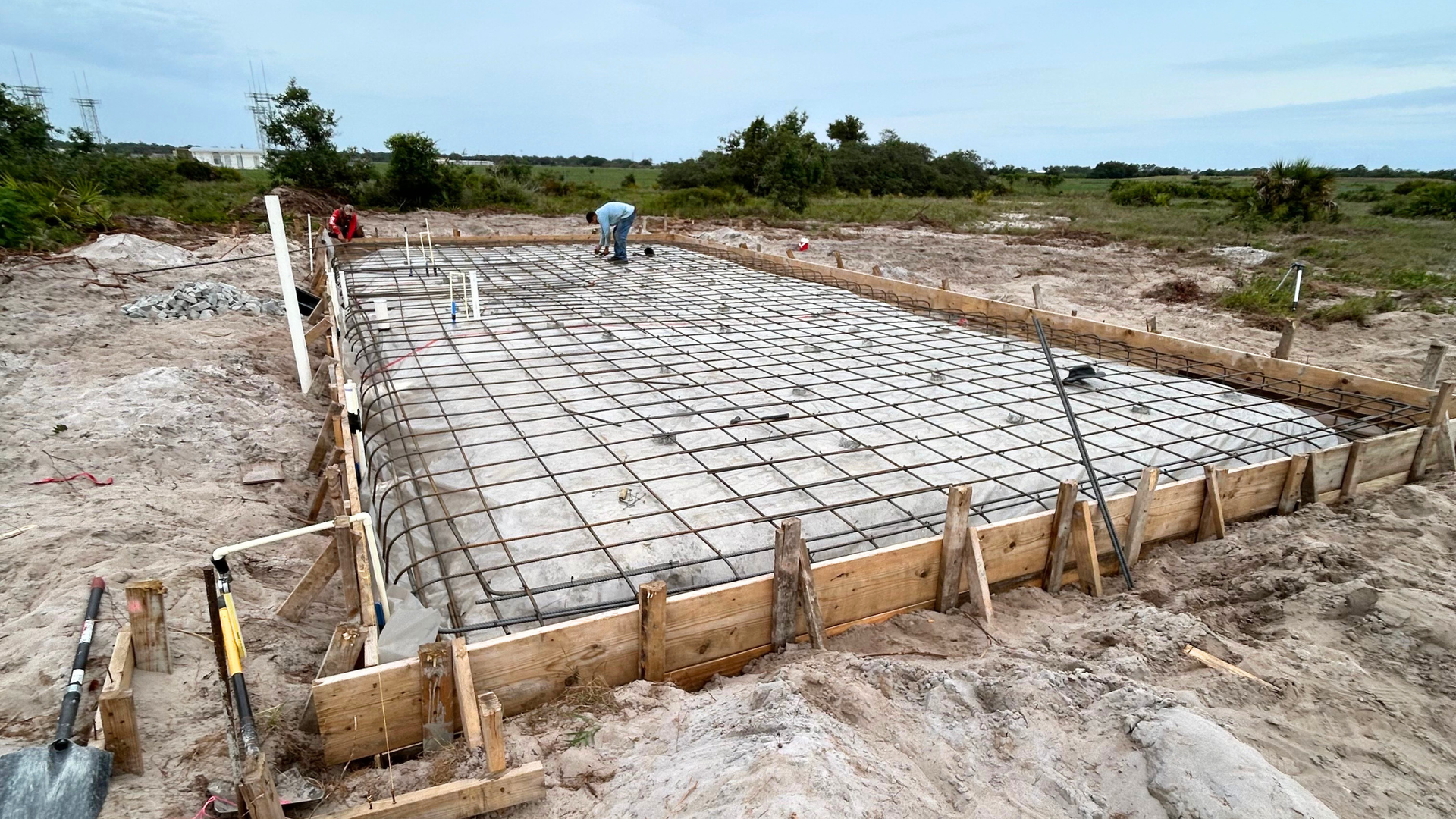
5. Reinforcement
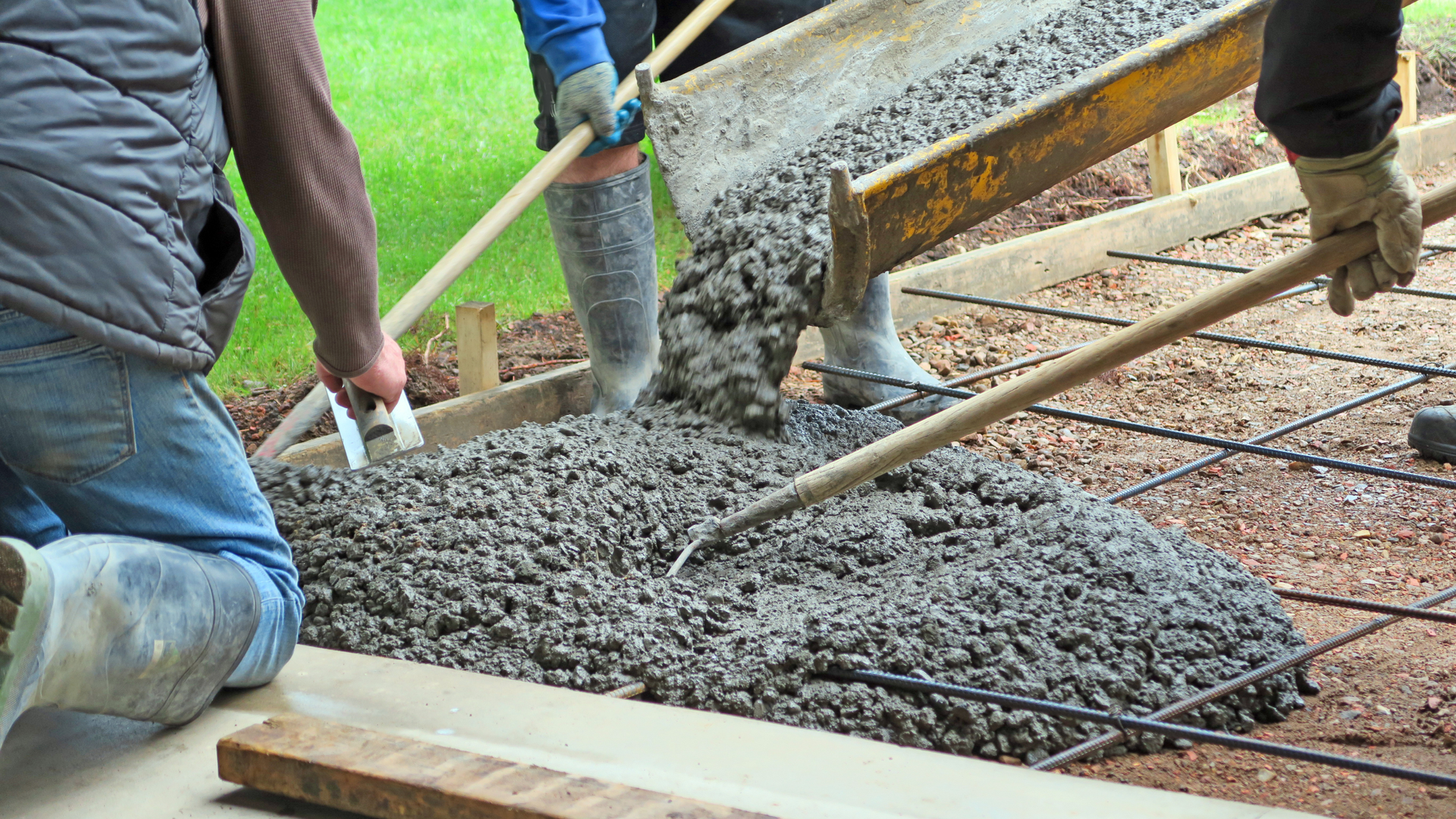
Reinforcement improves structural strength and reduces cracking.
- Wire mesh (basic reinforcement)
- Steel rebar (stronger, more durable option)
While reinforcement adds cost, it is often necessary for long-term performance.
6. Finish and Design Options
The type of finish has a noticeable impact on price.
- Broom finish (most common and cost-effective)
- Exposed aggregate
- Stamped or decorative concrete
Decorative finishes require more labor and precision, increasing overall cost.
7. Drainage and Grading Requirements
Water management is often overlooked but critical.
- Proper slope prevents water pooling
- Drainage solutions may be required for certain properties
- Poor drainage leads to early damage and repair costs
Cost Comparison: Basic vs Decorative Concrete Driveways
Choosing between standard and decorative concrete depends on your priorities.
| Feature | Basic Concrete | Decorative Concrete |
|---|---|---|
| Cost | Lower | Higher |
| Appearance | Simple, clean | Custom patterns and colors |
| Maintenance | Low | Moderate |
| Installation Time | Faster | Longer |
Decorative driveways offer more visual appeal, but basic concrete remains the most practical choice for many homeowners.
Labor vs Material Costs
Concrete driveway pricing is split between labor and materials.
Typical Breakdown
- Materials: 40%–50%
- Labor: 50%–60%
Labor costs include:
- Site preparation
- Formwork
- Pouring and finishing
- Cleanup
Projects with difficult access or complex designs tend to have higher labor costs.
Additional Costs Homeowners Should Expect
Beyond the main installation, some additional costs may apply depending on your property.
Common Add-Ons
- Removal of existing driveway: $1,000 – $3,000
- Permits and inspections (if required)
- Drainage solutions
- Sealing after installation
These costs are not always included in base estimates, so it is important to clarify them during planning.
How to Estimate Your Concrete Driveway Cost
While exact pricing requires a site evaluation, you can estimate your project using a simple approach.
Step-by-Step Estimate
- Measure driveway area (length × width)
- Multiply by average cost per square foot
- Adjust for thickness, reinforcement, and finish
Example:
- 600 sq ft driveway × $10/sq ft = $6,000
- Add reinforcement and site prep = $7,500 – $9,000
This provides a realistic starting range before getting a detailed quote.
Cost vs Longevity: Is Concrete Worth It?
Concrete driveways require a higher upfront investment, but they often cost less over time.
Lifespan Comparison
| Material | Lifespan | Maintenance Level |
|---|---|---|
| Concrete | 25–40 years | Low |
| Asphalt | 15–25 years | Moderate |
Concrete typically offers better long-term value due to:
- Longer lifespan
- Less frequent repairs
- Better resistance to heavy loads
Common Cost Mistakes to Avoid
Many homeowners focus only on upfront pricing, which can lead to issues later.
1. Choosing the Lowest Bid
Lower estimates often exclude:
- Proper base preparation
- Reinforcement
- Drainage work
This can lead to higher repair costs in the future.
2. Ignoring Site Conditions
Every property is different. Soil condition and drainage must be considered to avoid long-term problems.
3. Skipping Reinforcement
While it reduces initial cost, lack of reinforcement increases the risk of cracking and structural issues.
4. Underestimating Maintenance
Even low-maintenance materials like concrete require periodic sealing and minor repairs.
How to Get an Accurate Quote
The most reliable way to determine cost is through a professional evaluation.
A contractor will assess:
- Site conditions
- Soil stability
- Drainage requirements
- Layout and design
- Usage needs
Working with a qualified concrete driveway contractor ensures the estimate reflects actual project conditions, not just averages.
When Is the Right Time to Install a Concrete Driveway?
Timing can affect both cost and installation quality.
Ideal Conditions
- Moderate temperatures
- Dry weather
- Stable ground conditions
Extreme heat or cold can impact curing and may require additional measures during installation.
Planning Your Concrete Driveway Project
Before starting your project, it’s important to define your priorities.
Key Considerations
- Budget range
- Desired appearance
- Expected vehicle load
- Long-term maintenance expectations
Balancing these factors helps you choose the right materials and design.
For homeowners comparing options, reviewing concrete driveway installation details can provide a clearer understanding of what to expect throughout the process.
Get a Concrete Driveway Quote from Regency Construction Group
If you are planning a new concrete driveway or replacing an existing one, having a clear understanding of cost is the first step. The next step is making sure the project is done correctly based on your property’s conditions.
Regency Construction Group works with homeowners to evaluate site conditions, recommend the right thickness and reinforcement, and provide a clear breakdown of project costs before work begins.
You can learn more about available options or request a quote through our concrete driveway services page.
Final Thoughts
Concrete driveway cost depends on more than just square footage. Site preparation, thickness, reinforcement, design, and drainage all play a role in determining both price and long-term performance.
Understanding these factors helps you plan realistically, compare quotes effectively, and avoid common issues. A well-installed driveway is not just about appearance, but about how it performs over time under real conditions.