Why Foundations Here Need Special Attention
Building in this part of Florida is not like building inland. A few local realities shape every foundation in the area:
- Sandy, unstable soil.
Much of the region sits on loose sand mixed with clay and organic material, which demands careful compaction and reinforcement.
- High water table.
Groundwater often sits close to the surface, so site prep and moisture control matter far more than they do inland.
- FEMA flood zones. Large parts of the city and Collier County require the finished floor to sit at or above the base flood elevation.
- Heavy rainfall.
The area gets 50 to 60 inches of rain a year, which makes drainage part of the design from day one.
Out-of-state crews often underestimate these conditions. A foundation that ignores them cracks, settles, or fails inspection.
Types of Concrete Foundations Used Locally
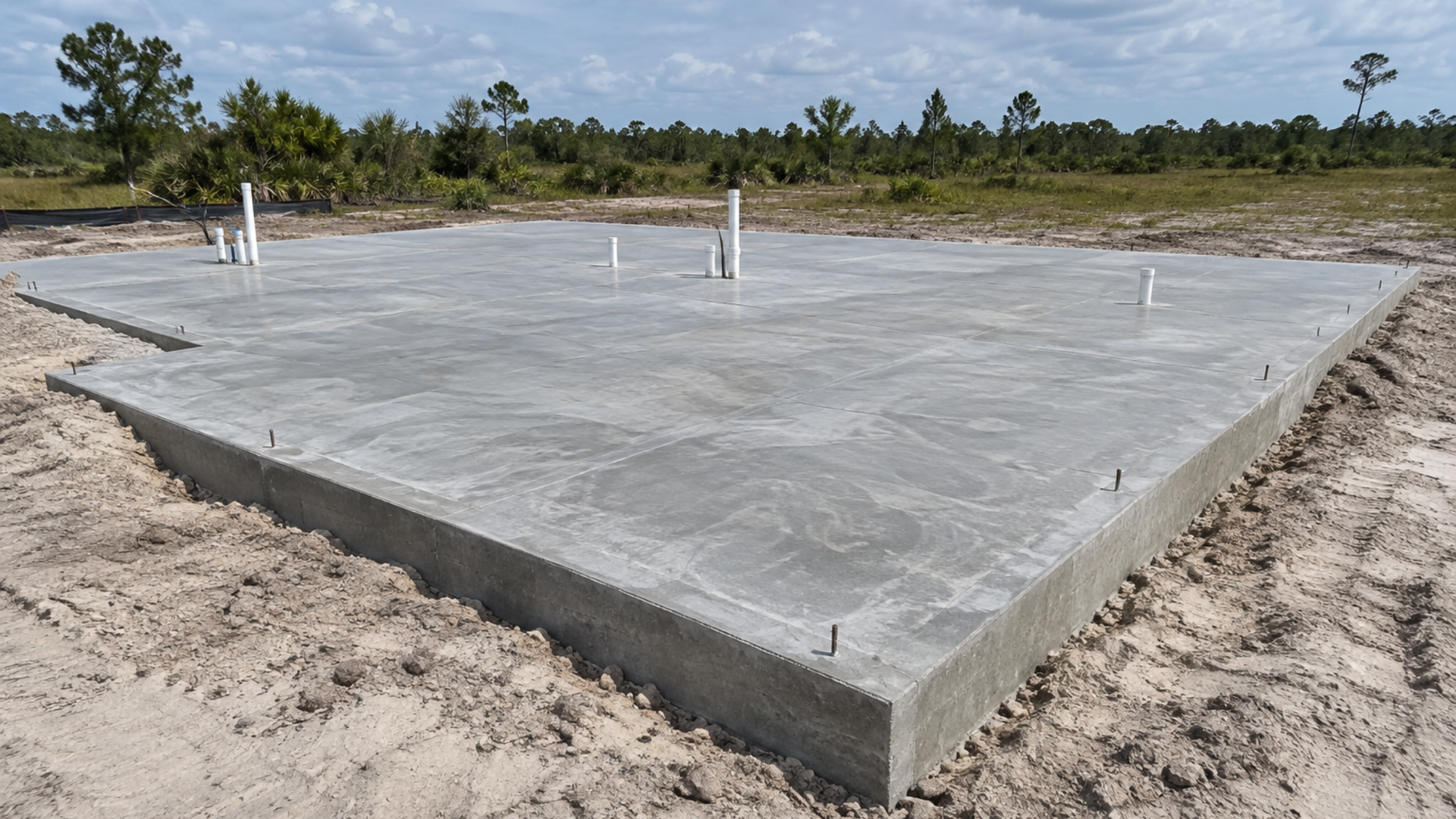
Most homes here sit on a slab-on-grade system, poured onto prepared ground as part of professional
concrete slab installation. The right version depends on your lot, your elevation requirements, and your budget. Three types cover the large majority of local projects.
Monolithic Slab
A monolithic slab pours the footing and the floor in a single placement, with a thickened edge around the perimeter. It is the fastest and most economical option, and it performs well on flat lots with stable, well-compacted soil. The catch is elevation, since a plain monolithic slab often will not meet flood requirements without significant engineered fill.
Stem Wall
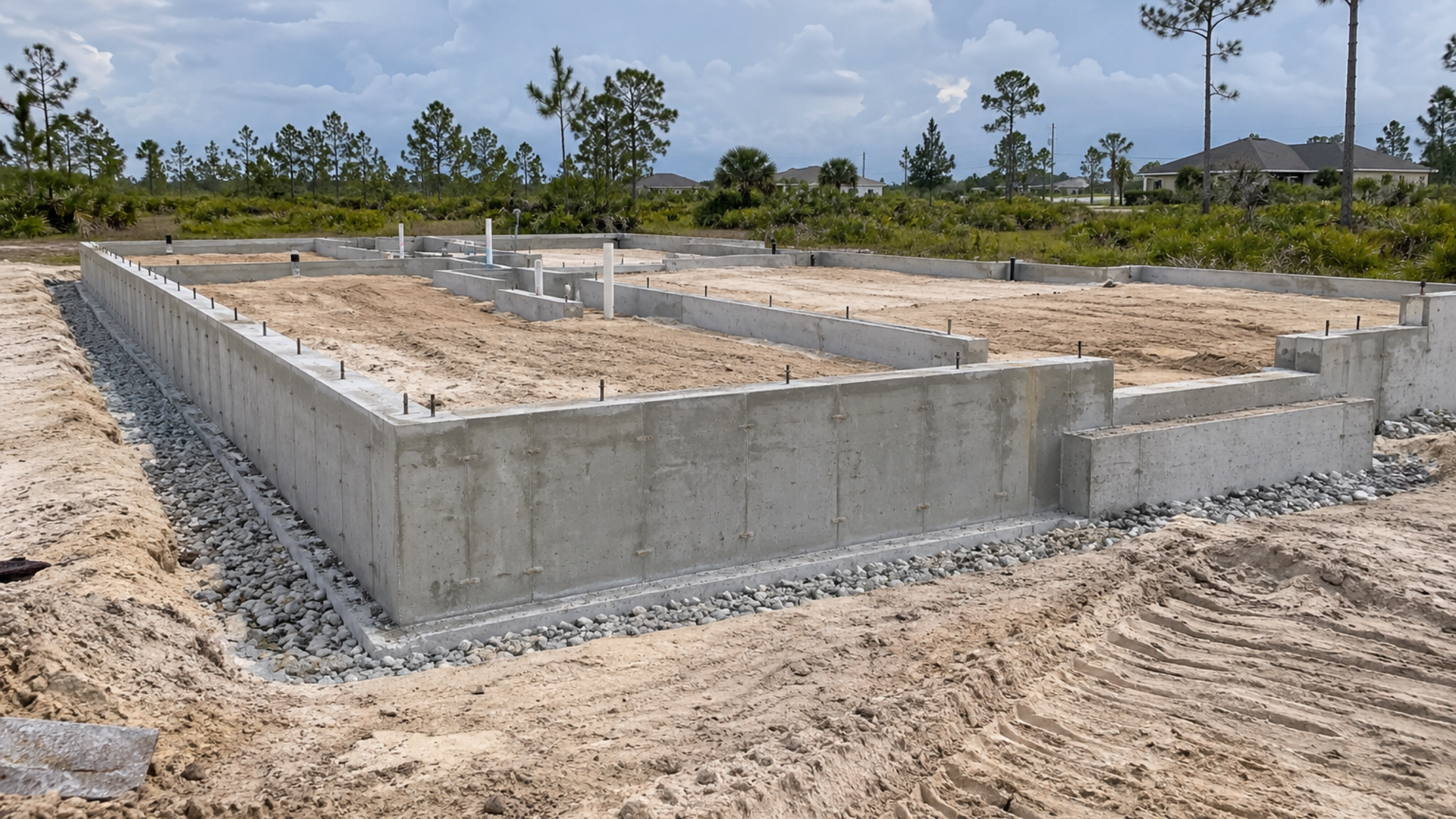
A stem wall uses a perimeter wall built on a continuous footing, with the slab poured on compacted fill inside it. This raises the finished floor, which makes it a strong choice for flood-prone lots and uneven ground. It costs more than a monolithic pour because it takes more steps, more material, and more labor.
Elevated and Pile Foundations
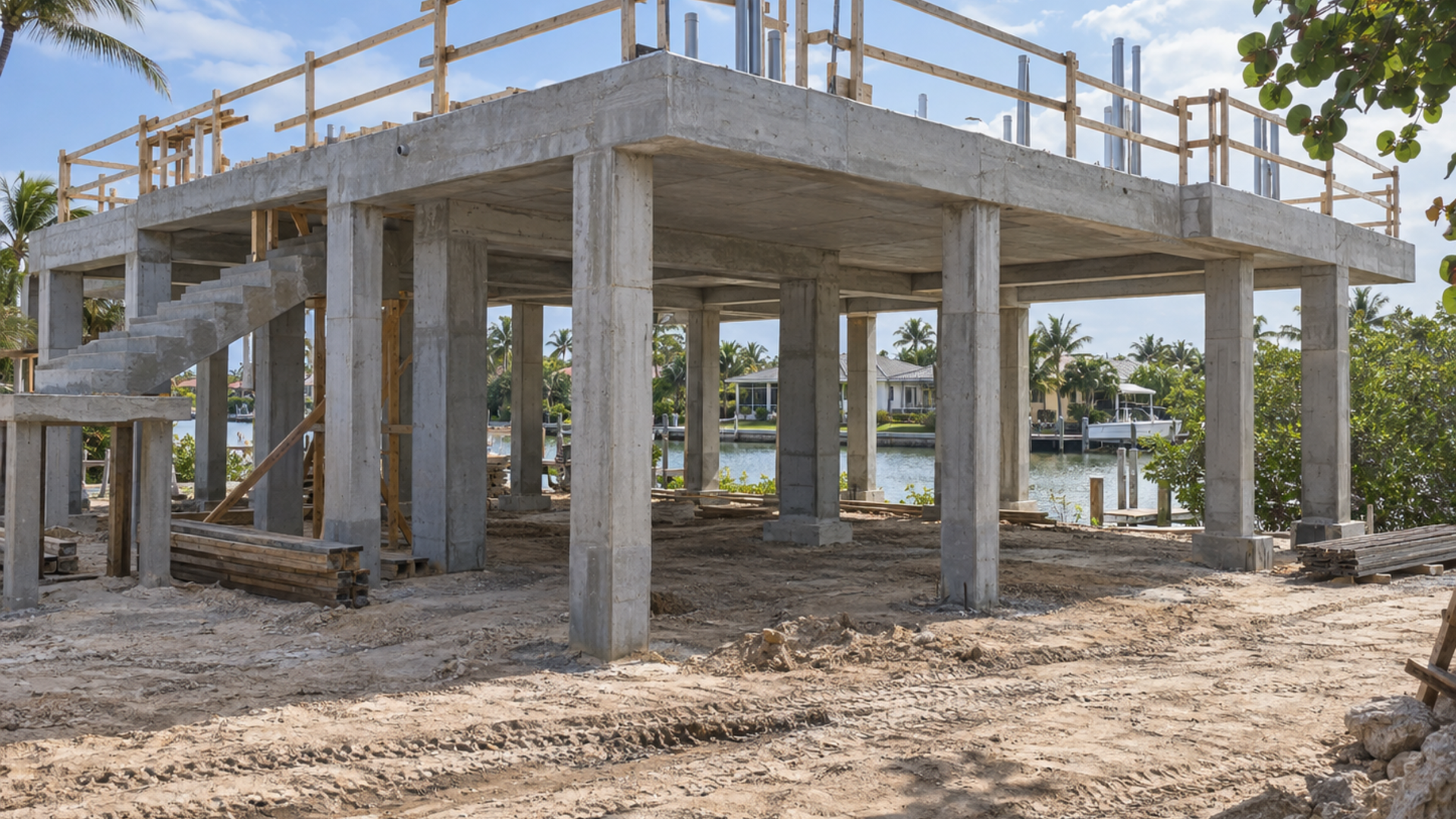
For coastal lots, weak soil, or the highest flood zones, deep foundations carry the load down to stable ground using piles or piers. This is the most involved and most expensive approach, and it shows up often near the water and on larger builds. In return, it offers the strongest protection against flooding and settlement.
What Drives Foundation Cost
There is no single price for a foundation, because so much depends on the site. Two homes of the same size can cost very differently once soil, elevation, and access come into play. The main cost drivers are the foundation type, the amount of site prep and fill, flood-zone elevation rules, reinforcement, and the total square footage. The table below compares how these common types stack up on relative cost.
For an accurate number, a contractor needs to see your lot, your plans, and your flood zone. A quick site visit turns these ranges into a real figure.
What to Expect During the Build
Site Prep and Grading
The build starts below anything you will ever see. Crews clear the lot, grade it, and compact the soil into a stable base, which matters most in the area's sandy, high-water-table ground.
Forms, Barrier, and Reinforcement
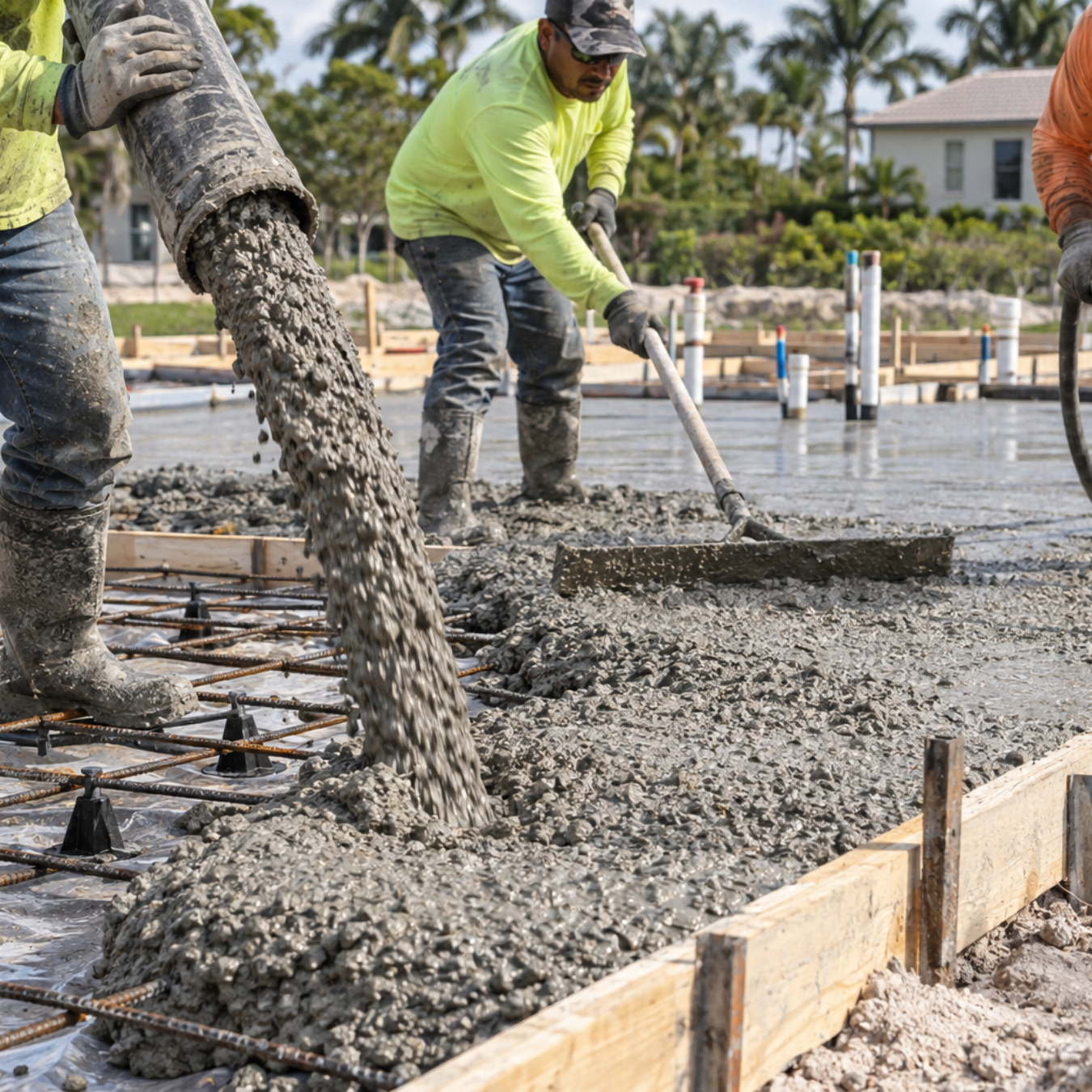
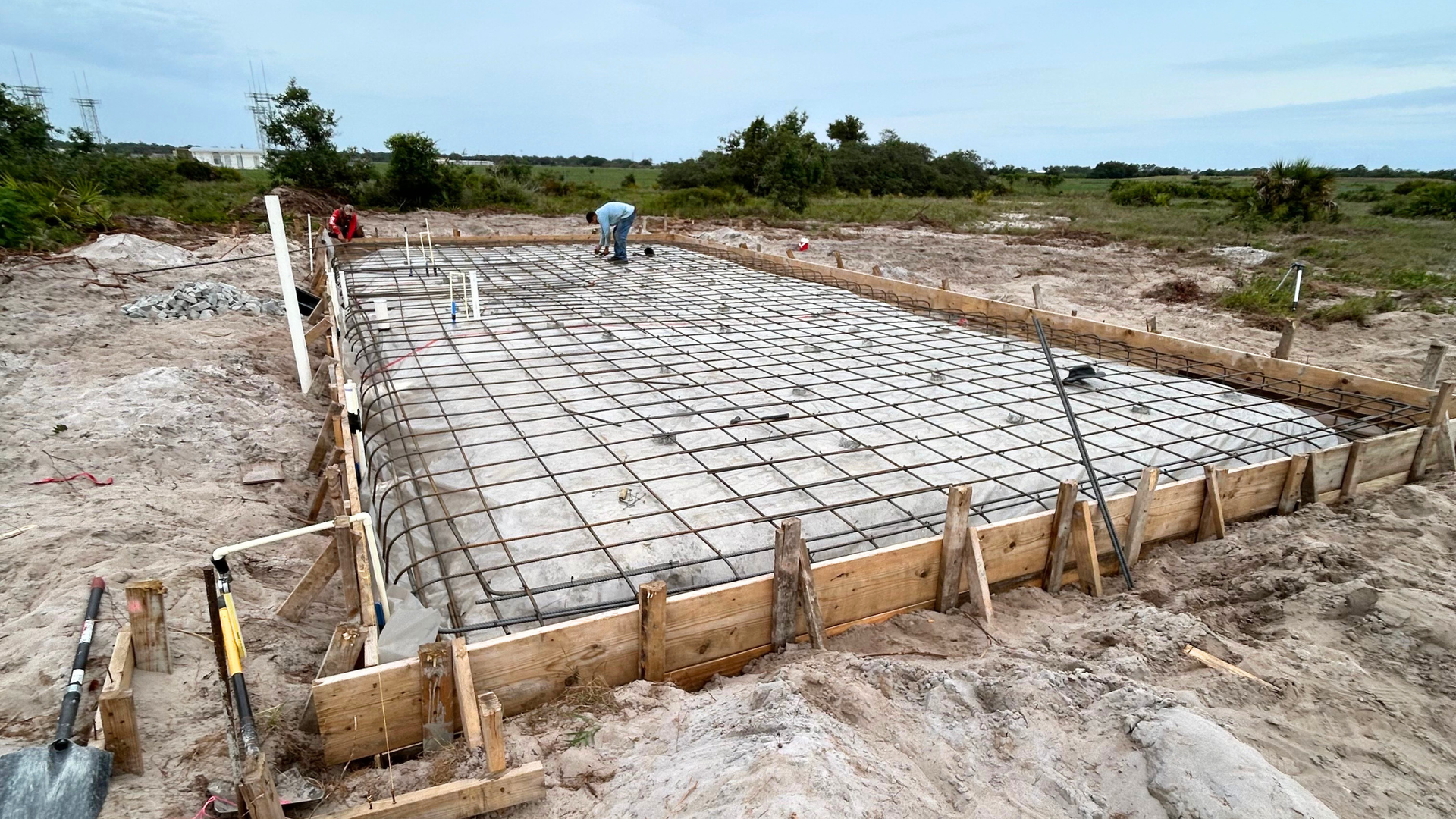
Crews then set the forms and place a moisture barrier over the base. They lay out the steel next, usually a grid of rebar sized to the engineer's plan and
American Concrete Institute standards.
Pour, Cure, and Inspect
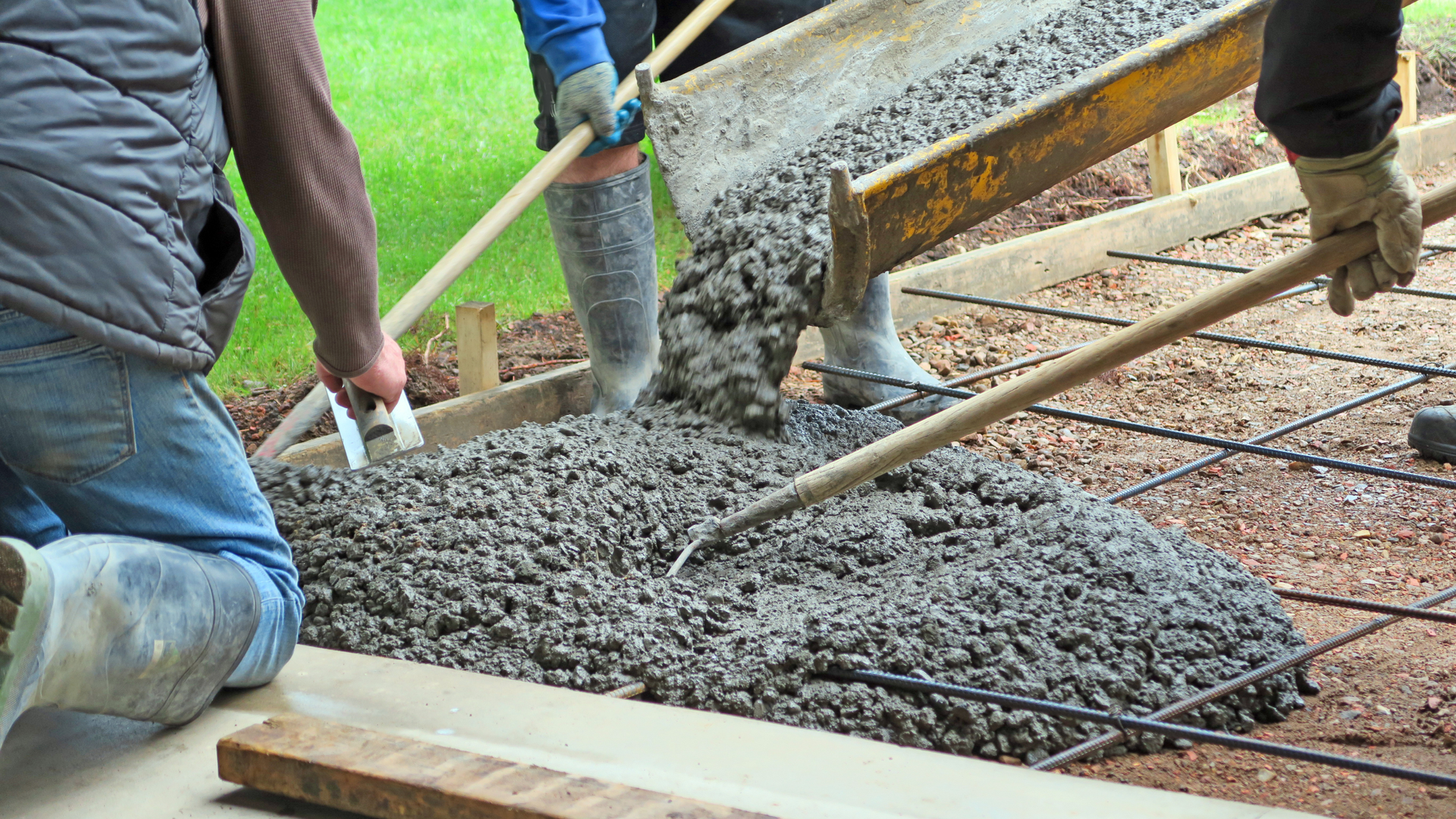
The concrete goes down, gets finished, and begins to cure, with curing days built into the schedule before framing starts. Inspections happen at set points along the way, so permitting and scheduling have to line up early.
Permits, Flood Zones, and Local Rules
Building Permits
Foundation work always needs a permit here. Depending on where your property sits, that means the
City of Naples Building Department or
Collier County Growth Management, each with its own submittals and inspections. A licensed contractor confirms your jurisdiction and pulls the permit as part of the job.
Flood Zone Elevation
Flood zones shape much of the design. In AE and VE zones, the foundation must meet or exceed the base flood elevation plus freeboard, which affects footer depth, fill, and cost.
HOA Architectural Review
Many communities across the
areas we serve across Southwest Florida run architectural review boards that dictate finishes, even on exposed stem walls and foundation edges. Coordinating color and finish early keeps the project compliant and avoids rework.
Frequently Asked Questions
How long does it take to build a concrete foundation?
Most residential foundations take one to three weeks from site prep to a ready-to-frame base, depending on type, weather, and inspections. A simple slab moves faster than a stem wall or pile system. Curing then adds several days before framing begins.
How long will a concrete foundation last?
A properly built and permitted foundation can last the life of the home, often 50 years or more. It comes down to soil compaction, correct reinforcement, and drainage. Concrete handles the local humidity and salt air well when built to code.
Are foundation cracks something to worry about?
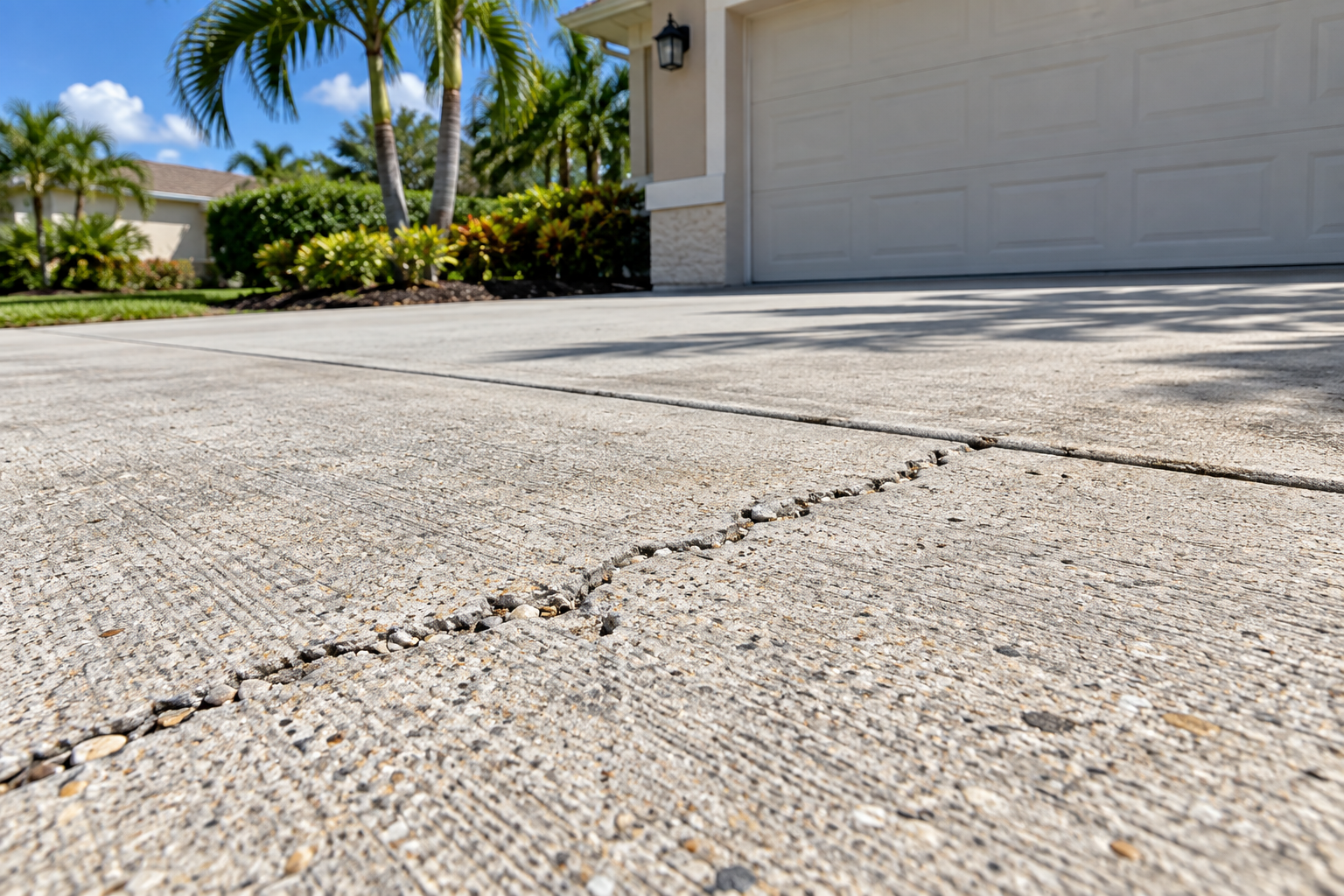
Fine hairline cracks from curing are common and usually harmless. Wide, growing, or uneven cracks can signal settlement or a drainage problem and deserve a professional look. Early attention costs far less than a structural repair.
Do I need a soil test first?
Often yes, especially for new construction or a lot with unknown fill history. A soil report shows how the ground behaves under load and guides the design. It is a small upfront cost that prevents expensive surprises in sandy, wet soil.
Build on a Foundation That Lasts
Your foundation is the one part of the house you cannot easily fix later, so it pays to build it right the first time. The best results come from a licensed local team that knows the area's soil, flood rules, and permitting.
Regency Construction Group serves Naples, North Naples, Marco Island, Bonita Springs, Estero, and Fort Myers, with over 20 years of combined experience and the owner on every job site. From site prep to final inspection, our
concrete foundation services give your home a base built to last.
Request a free estimate
and we will start with your lot.