The Short Answer
Concrete cracks when stress builds up faster than the slab can handle. In Southwest Florida, three local forces drive most of that stress:
- Intense heat and sun that dry the surface too fast
- Sandy soil and a high water table that shift under the slab
- Heavy seasonal rain that washes out and saturates the ground
Add the daily swing between hot afternoons and cooler nights, and concrete here works harder than in milder climates. Each cause is broken down below.
What Causes Concrete to Crack Here
Rapid Surface Drying in the Heat
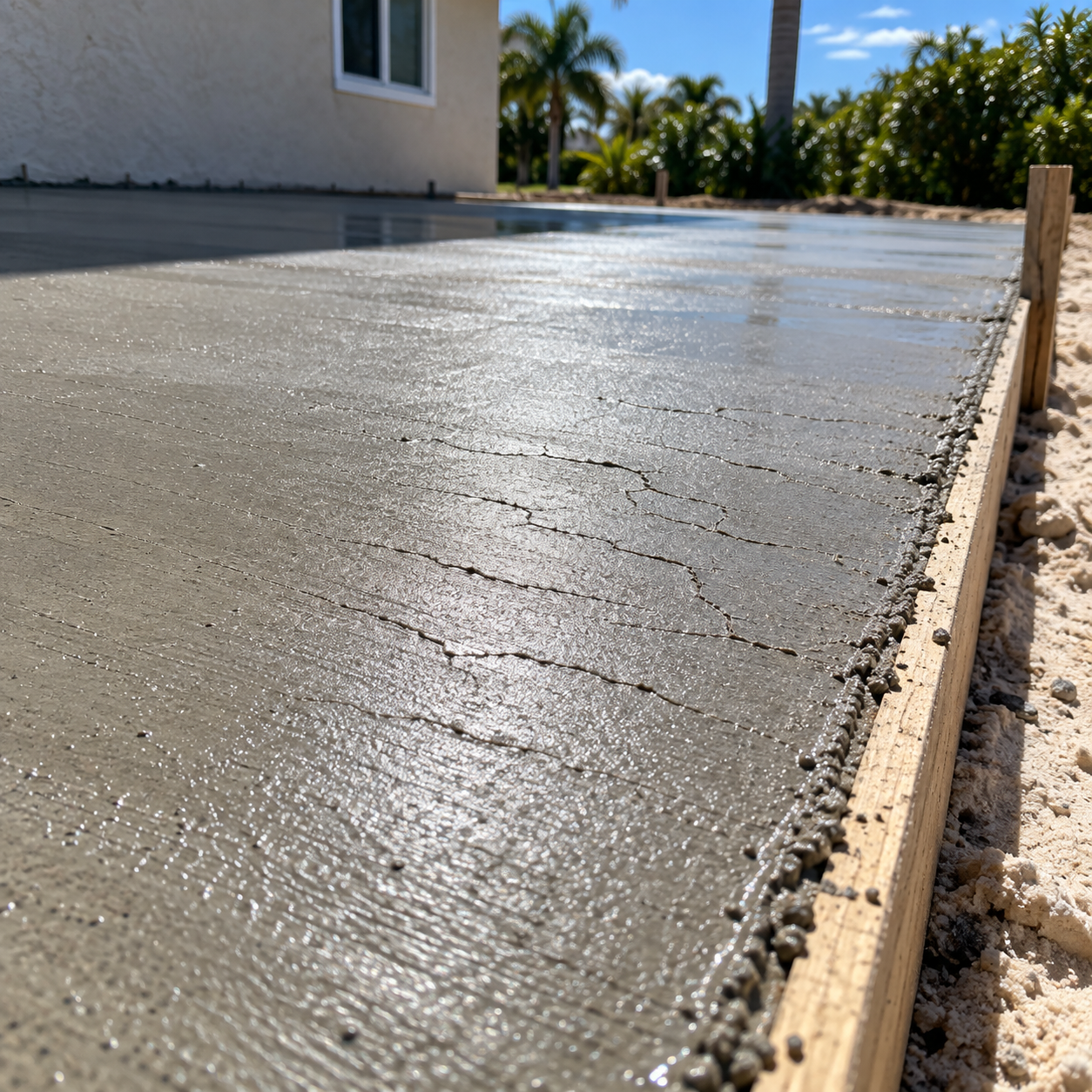
Our heat and sun pull moisture out of fresh concrete very quickly. When the surface dries faster than the concrete below, the top shrinks and fine cracks form within the first day. These are called plastic shrinkage cracks, and they are the most common type in the area.
Sandy Soil and a High Water Table
Much of the region sits on loose, sandy soil with groundwater close to the surface. When the ground beneath a slab shifts, settles, or washes out, the concrete loses its even support. Those voids are where wider settlement cracks begin, especially after heavy rain.
The Daily Heat Cycle
Concrete expands in the afternoon heat and contracts as it cools overnight. This constant movement puts stress on the slab day after day. Without room to move, that stress has to go somewhere, and a crack is often the result.
Missing or Poorly Placed Control Joints
Control joints are the grooves cut into a slab on purpose. They give concrete a planned place to crack so it does not crack randomly. When joints are spaced too far apart or cut too shallow, cracks wander across the surface instead. The
American Concrete Institute treats joint placement as a core part of crack control.
A Weak Mix or Too Much Water
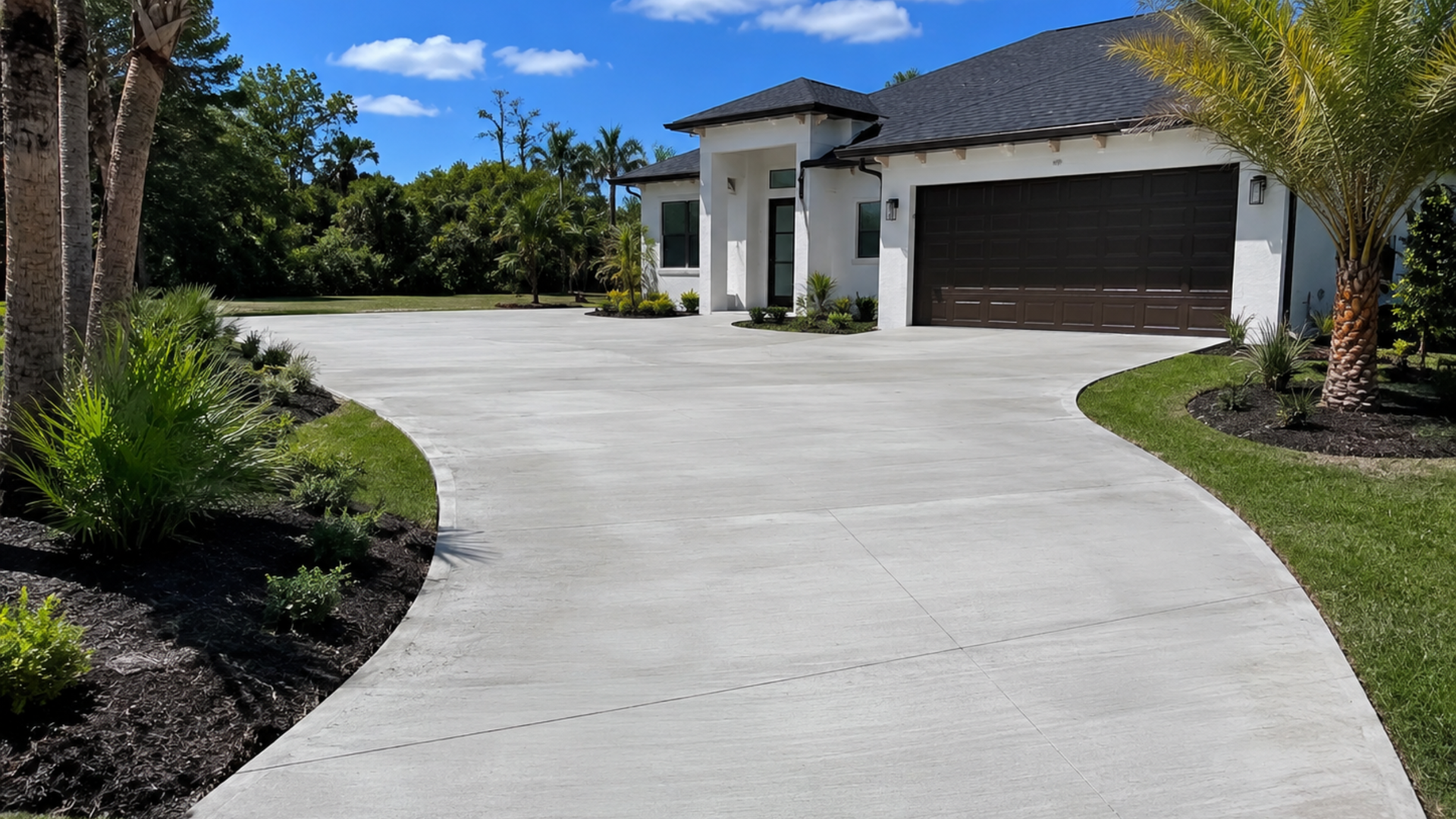
Adding extra water on site makes concrete easier to pour, but it also weakens it and increases shrinkage. A slab that is too thin or under-reinforced for its load cracks sooner, which is why getting
the right thickness for a driveway matters from the start.
Which Cracks Should You Worry About?
Not every crack is a red flag. The table below sorts the harmless from the serious at a glance.
Use the table as a first read, not a final diagnosis. A few signs mean you should call a professional soon:
- A crack keeps widening or lengthening over weeks
- One side of the crack is higher than the other
- Water pools along or drains into the crack
- Cracks appear near a foundation or load-bearing area
Structural cracking near the home deserves prompt attention. That is where professional
concrete foundation services come in, before a small crack turns into a bigger repair.
How to Prevent Concrete Cracks
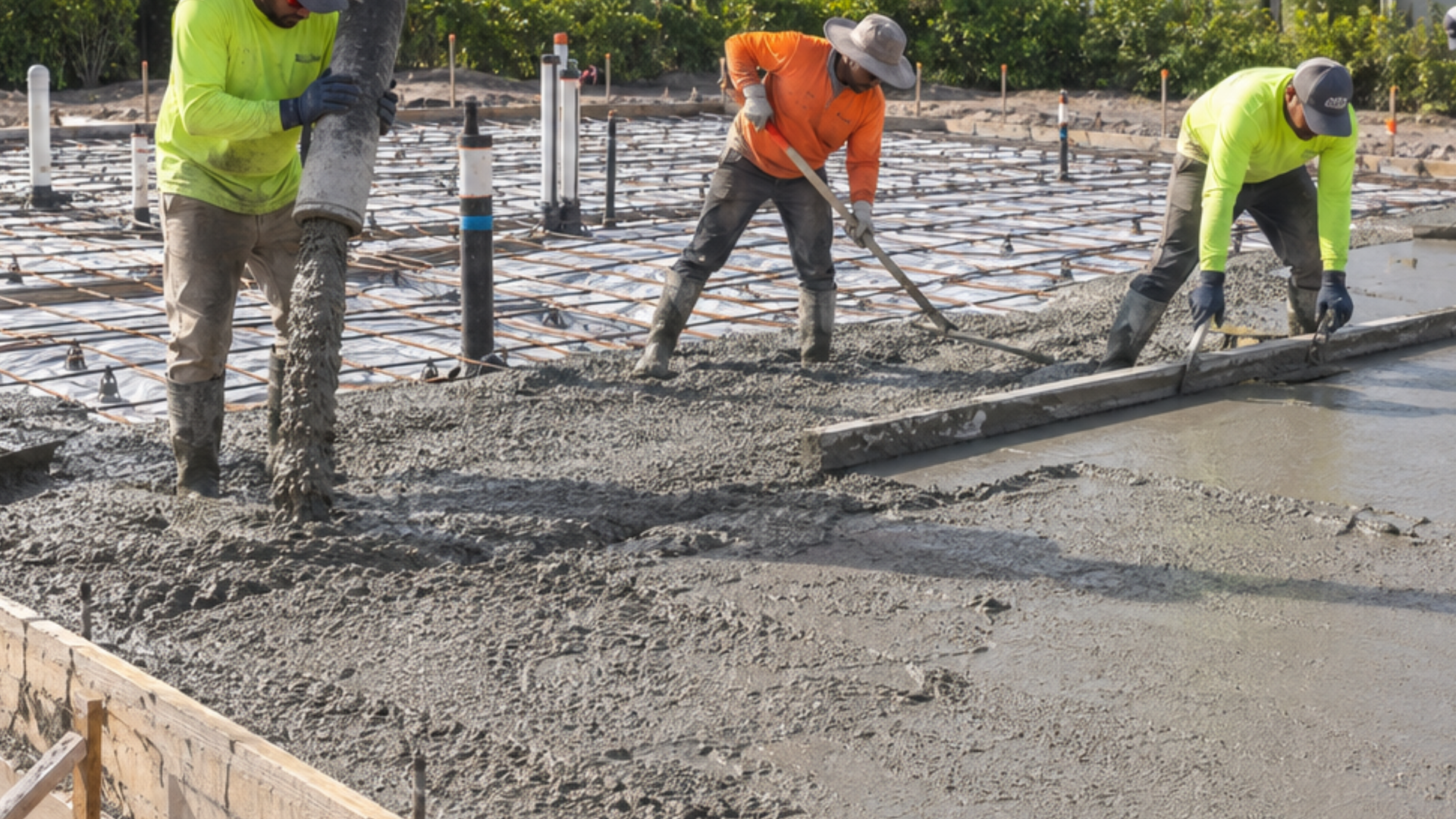
Most serious cracking traces back to how the slab was built. Handled right, these steps separate a slab that lasts from one that fails early.
What Matters During the Pour
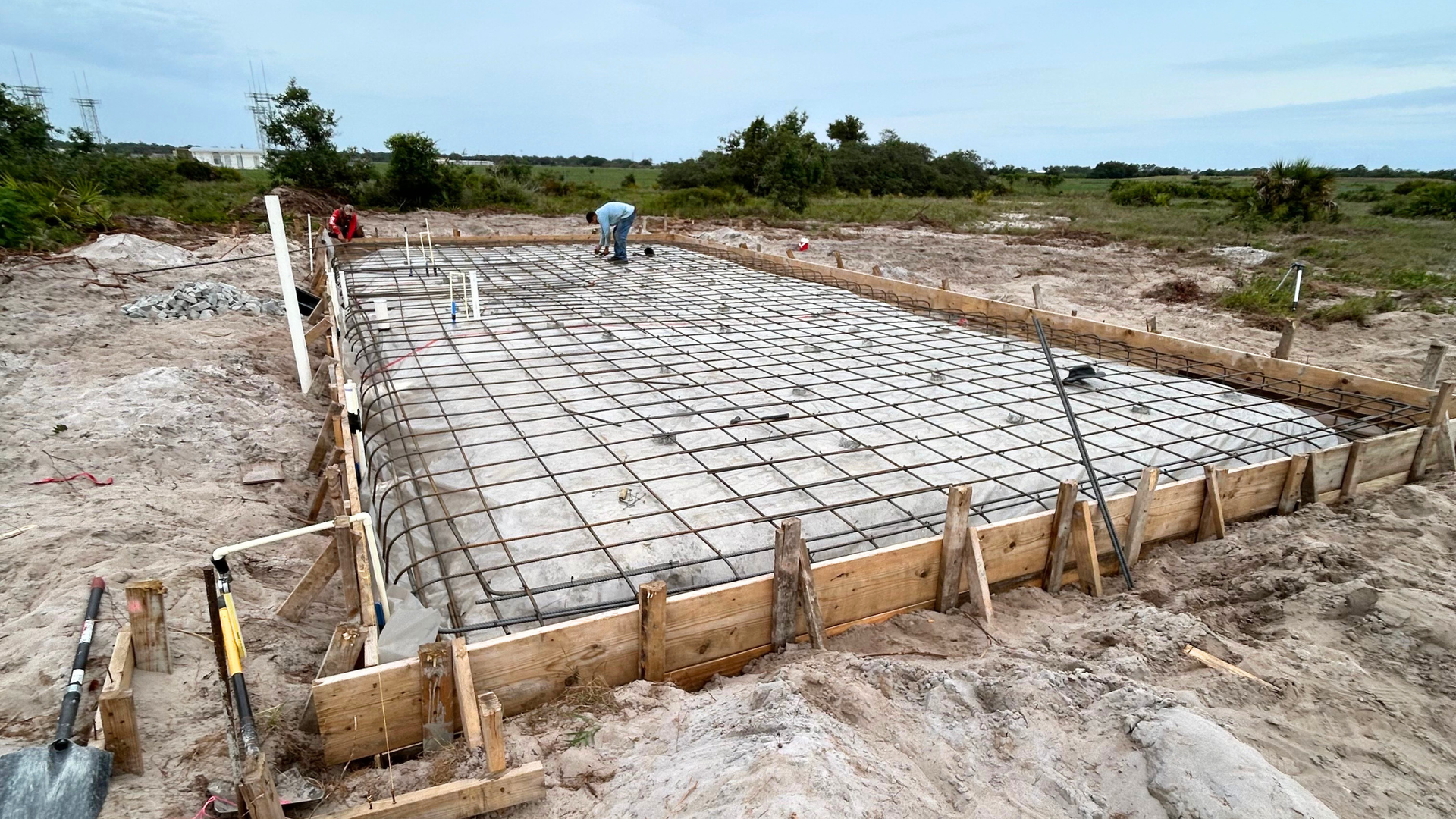
- Compact the subgrade properly so the base does not settle later
- Pour the correct thickness with proper rebar or mesh for the load
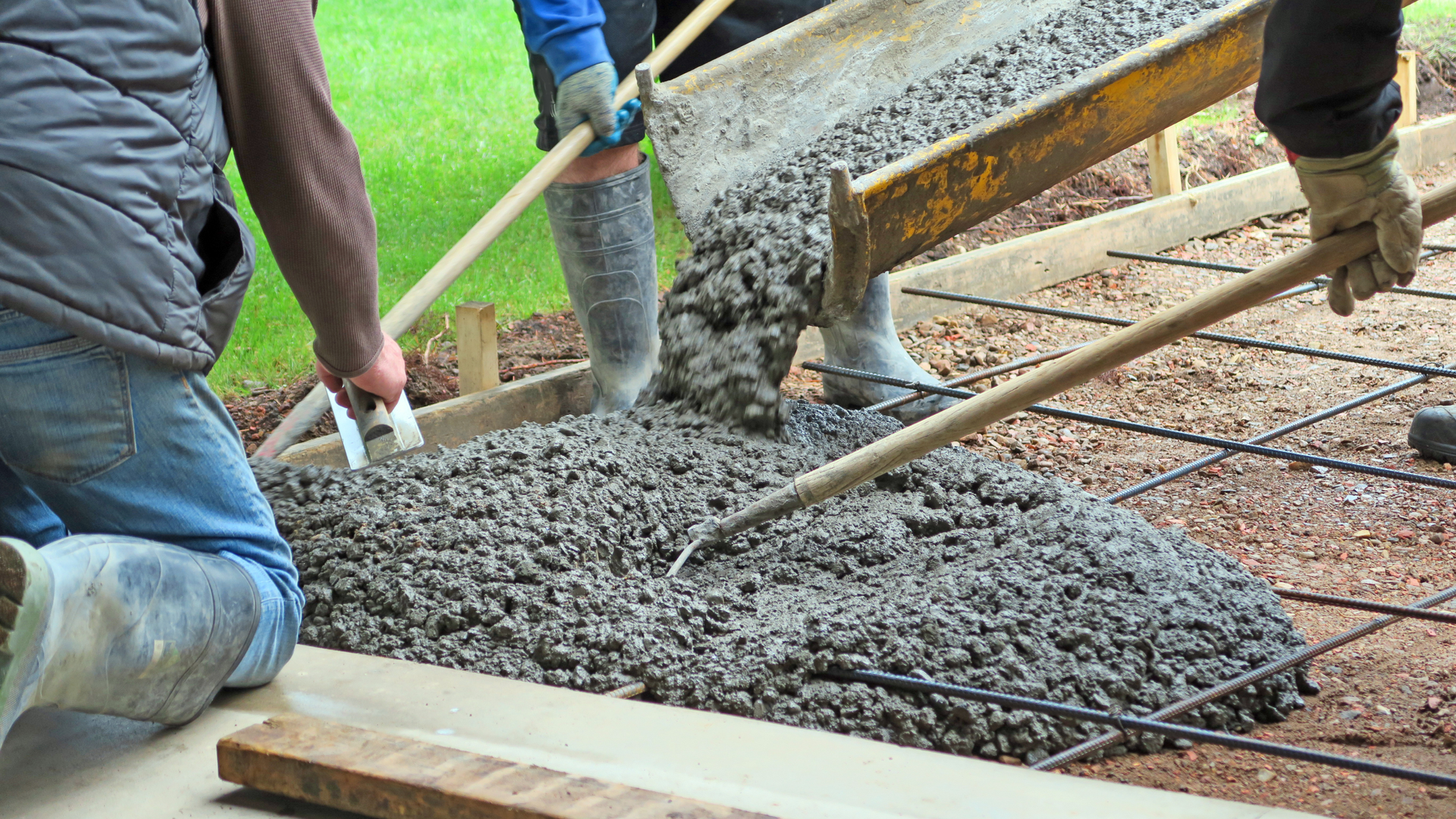
- Keep the water in the mix controlled, never watered down on site
- Cut control joints at the right spacing and depth
- Cure the surface slowly, which the
Portland Cement Association notes is key in hot weather
Good timing helps too, since cooler, calmer conditions reduce fast surface drying. Strong base prep during
concrete slab installation is the single biggest factor in crack resistance.
What You Can Do After the Pour
- Keep heavy loads off a new slab for the first several days
- Rinse off debris and avoid letting mulch or soil trap moisture at the edges
- Keep downspouts and sprinklers from washing out the base
- Reseal every couple of years to protect the surface
- Watch existing cracks and address movement early
Frequently Asked Questions
Do all concrete slabs eventually crack?
Most concrete develops some cracking over its life, and fine hairline cracks are normal. The goal is not zero cracks, but controlling where and how they form so they stay cosmetic. Good base prep, reinforcement, and joints are what keep cracking harmless.
Can cracked concrete be repaired, or does it need replacing?
It depends on the crack. Narrow, stable cracks can often be filled and sealed, while wide, growing, or uneven ones usually point to a base problem a patch will not fix. A contractor can tell you which situation you are in after a look.
How wide does a crack have to be before it is a problem?
As a rough guide, cracks wider than about a quarter inch, cracks still growing, or cracks with one side higher deserve a professional look. Hairline cracks you can barely feel are usually cosmetic. Movement and unevenness matter as much as width.
Does sealing concrete stop it from cracking?
Sealing protects the surface and slows wear, but it does not prevent cracks on its own. Cracking is driven by what happens below the surface and during the pour, such as soil movement and curing. Sealing is maintenance, not a substitute for proper installation.
Keep Your Concrete Solid for the Long Run
Cracks are part of owning concrete in Southwest Florida, but serious ones do not have to be. The difference almost always comes down to how the slab was built, from base prep to reinforcement to curing in our heat. Get those right and most cracking stays cosmetic.
If you are seeing cracks that worry you, or want a new project built to last, a local team that knows our soil and climate is your best protection. Regency Construction Group serves Naples, North Naples, Marco Island, Bonita Springs, Estero, and Fort Myers, with over 20 years of combined experience and the owner on every job site.
Request a free estimate and we will take a look at your concrete.
REQUEST A FREE ESTIMATE
CALL US NOW